

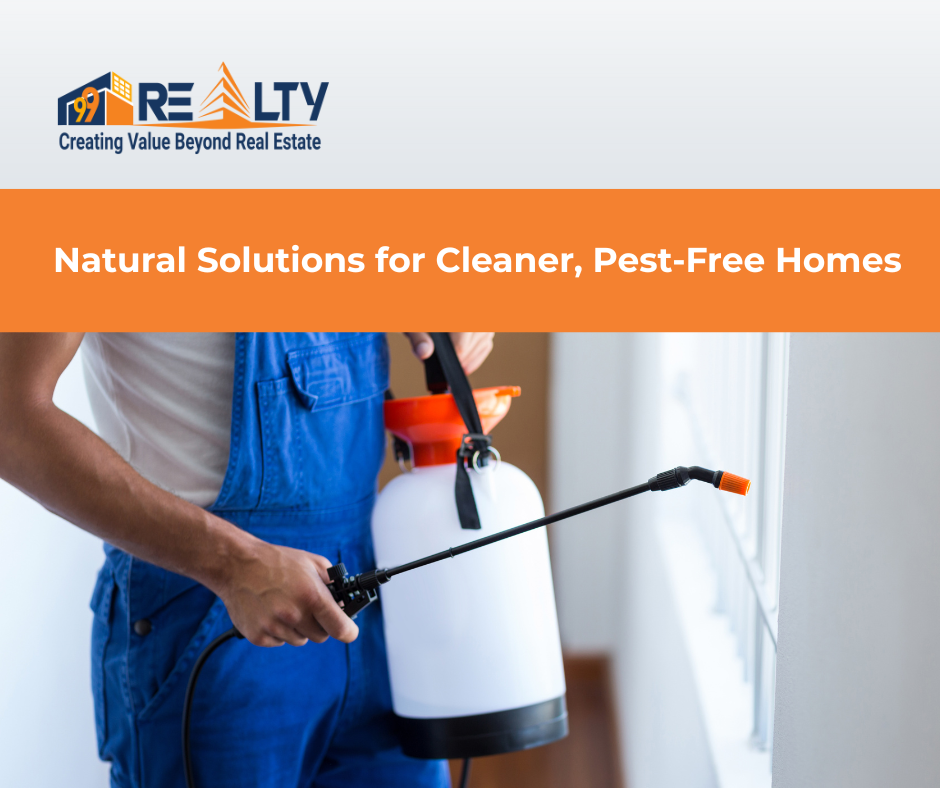
Keeping pests out of your apartment isn’t just about reacting when you see a cockroach scuttling across the floor — it’s about preventing them from finding food, water, and shelter in the first place. A proactive, natural pest-control strategy can protect your home without harsh chemicals, support a healthier indoor environment, and reduce the likelihood of recurring infestations.
Why Pest Prevention Matters
Pests such as ants, cockroaches, mosquitoes, rodents, and bed bugs are common in shared living spaces due to connected structures, shared drains, and high human activity. Once established, they spread fast and become difficult to remove without professional help. Early prevention and daily maintenance habits are key to keeping your apartment pest-free.
Demystifying Maintenance Charges on Flats: What Every Homebuyer Should Know
Recognizing Early Signs of Pest Trouble
Before diving into prevention techniques, it’s important to know when you might already have a pest problem:
- Droppings or smear marks near cabinets
- Strange odors or musty smells
- Damaged food packaging
- Noises in walls or ceilings
- Sightings of insects, especially at unusual times (like daytime cockroaches)
Spotting these signs early allows you to act quickly, minimizing spread and damage.
Daily Habits That Stop Pests Before They Start
1. Maintain a Spotless Kitchen
Even tiny food fragments attract pests. Wipe counters after cooking, clean under appliances, and rinse dishes promptly. Store grains, snacks, and open foods in airtight containers to deny pests easy access to food.
2. Handle Trash Smartly
Garbage that’s left uncovered or infrequently emptied emits odors that lure ants, flies, and rodents. Use bins with tight lids and make emptying trash part of your daily routine.
3. Eliminate Moisture
Standing water and damp areas are breeding grounds for mosquitoes and cockroaches. Fix dripping faucets, unclog drains, and keep bathrooms dry. Regular ventilation reduces humidity, making your apartment less attractive to pests.
4. Declutter Storage Spaces
Cardboard boxes, old newspapers, and clutter provide hiding spots for insects and rodents. Replace cardboard with plastic bins, and organise storage to make hidden infestations easier to spot.
5. Seal Entry Points
Even tiny gaps around windows, doors, pipes, and vents can be gateways for pests to enter. Use caulk, weatherstripping, or sealants to close off these spaces.
Effective Natural Pest Repellents
Many residents prefer non-toxic pest deterrents because they’re safer for children and pets while still keeping pests at bay.
Essential Oils
Strong fragrances can deter insects naturally. Oils like peppermint, eucalyptus, and tea tree oil work well against ants, spiders, and flies when used in diffusers or diluted spray solutions.
Diatomaceous Earth
A natural, fossilized powder, diatomaceous earth kills crawling pests by dehydrating them and is safe around people and pets when applied carefully. Sprinkle it near cracks, along baseboards, and at entry points.
Herbal and Plant Repellents
Certain plants act as live pest barriers. For example, mint can discourage ants and flies, while basil and lemongrass help reduce mosquitoes when placed near windows or balconies.
Seasonal Prevention Tips
Different pests peak at different times of the year:
- Warm months increase mosquito activity — eliminate standing water on balconies or near drains.
- Dry seasons can push rodents indoors in search of water.
- Monsoons often lead to an influx of ants and cockroaches due to raised humidity.
Adjust your cleaning and prevention routines according to seasonal pest behaviour.
When to Bring in Professional Help
Natural and DIY methods are great preventive tools, but they have limits. If you notice a persistent infestation that doesn’t respond to home remedies — especially bed bugs or a large rodent problem — it’s time to consult a pest control expert who can diagnose and treat deeper issues.
Professional technicians can also help with regular inspections to catch problems before they escalate.
The Role of Building Maintenance in Pest Control
Even if your individual apartment is clean, pests can still enter through common areas such as staircases, lifts, parking basements, garbage rooms, and shared plumbing lines. Cracks in external walls, poorly maintained drainage systems, and unsealed service ducts often act as highways for pests to move between flats.
Regular society-level maintenance — including drain cleaning, sealing of expansion joints, and proper waste management — plays a crucial role in long-term pest prevention. Residents should coordinate with building management to ensure common areas are inspected and maintained regularly, as isolated efforts inside a single apartment may not be enough.
Why Ventilation and Sunlight Matter More Than You Think
Poor airflow and lack of natural light create damp, stagnant conditions that many pests thrive in. Cockroaches, silverfish, and mold-associated insects prefer dark, humid environments that go undisturbed for long periods.
Allowing sunlight into rooms, especially kitchens, bathrooms, and storage areas, naturally reduces moisture and discourages pest nesting. Keeping windows open for cross-ventilation when possible and using exhaust fans effectively can significantly lower pest attraction without any additional cost.
How to Improve Air Circulation in a Room as AQI Soars in the Cities
Pet Food and Indoor Plants: Hidden Pest Triggers
Many apartment residents overlook two common pest attractors: pet food and indoor plants.
- Pet food, when left uncovered, attracts ants, cockroaches, and rodents due to its strong smell and high nutritional content.
- Overwatered plants can lead to damp soil, fungus gnats, and mosquitoes breeding near windows and balconies.
Using sealed pet bowls, feeding pets at fixed times, and ensuring proper drainage in plant pots can eliminate these silent pest triggers while maintaining a pet-friendly and green home.
Safe Pest Prevention for Homes with Children and Elderly
In households with children or senior citizens, chemical sprays and strong repellents can cause respiratory issues, skin irritation, or allergic reactions. Natural pest control methods such as essential oils, physical barriers, cleanliness, and moisture control are safer long-term solutions.
Additionally, keeping floors dry, food areas hygienic, and storage organized reduces the need for emergency chemical treatments — creating a healthier living environment for vulnerable family members.
Regular Self-Inspections: A Simple Habit That Saves Money
One of the most effective yet ignored practices is conducting monthly self-inspections. Checking under sinks, behind appliances, inside cabinets, and near balconies helps detect early signs of pest activity before it becomes a costly infestation.
Early detection not only reduces health risks but also saves money by preventing the need for repeated professional pest control treatments.
Final Takeaway: A Smarter, Healthier Way to Stay Pest-Free
Keeping an apartment pest-free is not about quick fixes or heavy chemical use — it’s about understanding how everyday habits, building maintenance, ventilation, and shared living spaces work together. Cleanliness inside the home, moisture control, sealed entry points, and natural deterrents form the first line of defense, but long-term success comes from consistency and awareness.
By paying attention to overlooked triggers like poor airflow, cluttered storage, pet food, indoor plants, and common-area hygiene, residents can prevent infestations before they begin. Regular self-inspections and coordination with building management further strengthen protection, ensuring pests don’t return through hidden routes.
A truly pest-free apartment is the result of mindful living — one that prioritizes health, safety, and prevention over reaction. When natural methods and smart maintenance become part of daily life, a cleaner, safer, and more comfortable home follows naturally.
Need Help?
Need help evaluating a property or planning your next move in the market?
Reach out to 99 REALTY – your trusted real estate partner for smarter choices.
Subscribe to get updates on our latest posts and market trends.



Join The Discussion