
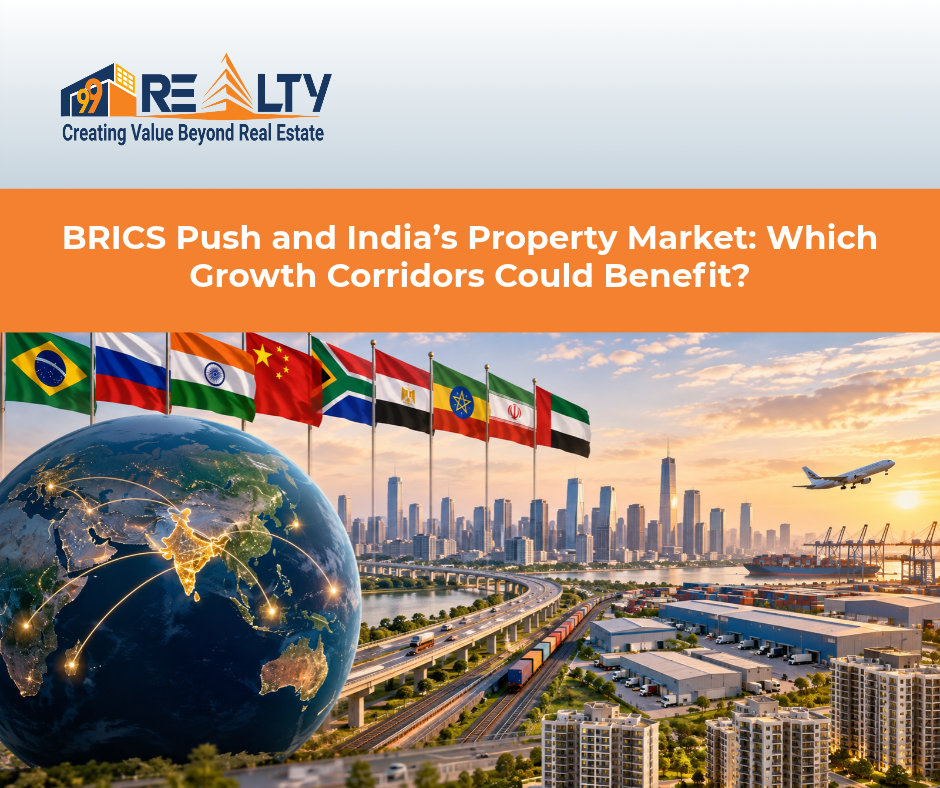
India's 2026 BRICS presidency has placed greater emphasis on trade, resilient supply chains, industrial cooperation, connectivity and infrastructure. While BRICS is not a real estate programme, these priorities could have an indirect impact on India's property landscape by strengthening the economic activity that typically drives demand for industrial, logistics, commercial and residential real...

Infrastructure
For years, building near an airport has meant navigating a regulatory maze where a single question could reshape an entire project: How high can you build? For developers, architects and housing societies, the answer has often arrived too late in the planning process. A project could be designed, engineered and submitted for approvals, only to face a height-related objection from aviation authorities...
Budget 2026 is an infrastructure-led budget, anchored by a record capital expenditure of ₹12.22 lakh crore. Through a mix of capex, tax rationalisation, and regulatory nudges—from GST changes to REIT and SM-REIT frameworks—it strengthens the supply and investment side of Indian real estate, while near-term demand outcomes remain contingent on execution, state policies, and financing...
As India’s cities continue to evolve and expand, the real estate landscape is undergoing significant shifts in fascinating ways. Rather than focusing solely on large neighborhoods or sprawling zones, the spotlight is now on smaller, high-potential pockets: the micro-markets. These distinct clusters not only exhibit unique growth patterns and pricing behaviors, but also showcase their own cycles of...
India's real estate market experienced a significant surge in investments during the second quarter of 2024. The market attracted USD 2.77 billion in investments, marking a notable milestone as reported by Cushman & Wakefield. This influx of capital pushed the total investments for the first half of the year to a record-breaking USD 3.9 billion. This represents a 1.5x increase compared to the previous...