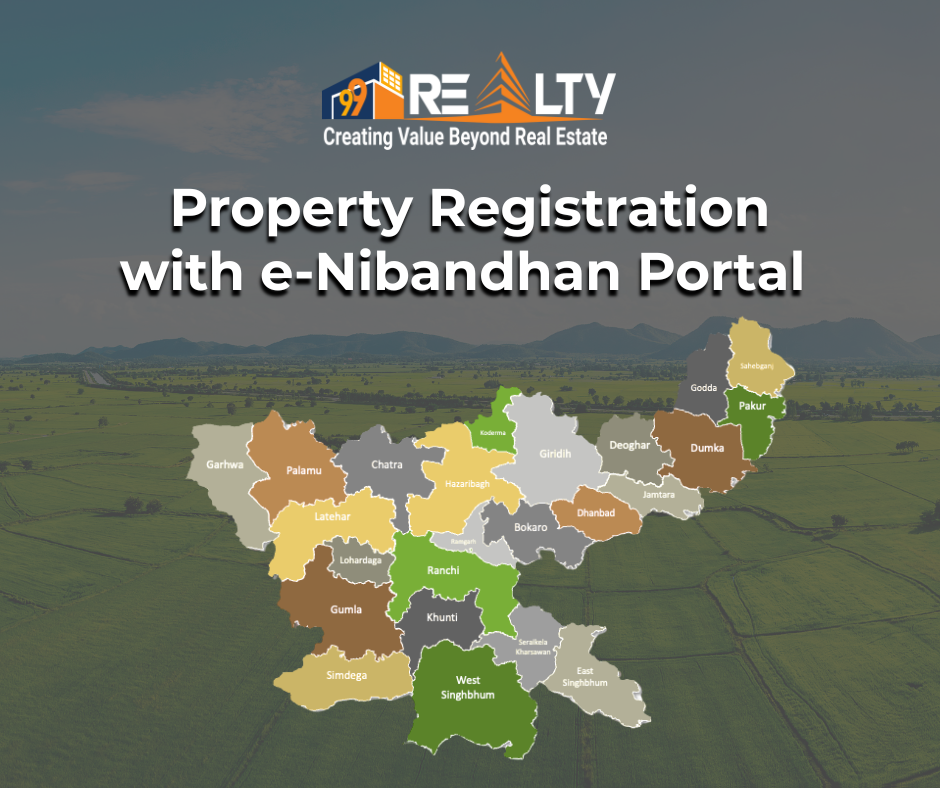

Buying a home or land? Congrats! But before you start celebrating, there’s one critical step you absolutely can’t skip—property registration. In Jharkhand, thanks to the government’s digital leap, much of the registration process is now smoother, faster, and online through the e-Nibandhan portal. Let’s break it down. Additional Charges When Buying a Residential Property Why Property...
Regulation
In real estate, valuation clarity is critical. One of the most frequently misunderstood concepts is the distinction between guidance value (also known as circle rate or ready reckoner rate) and market value. Knowing this difference is not just academic—it can determine how much you pay in stamp duty, how your home loan is assessed, and whether you're overpaying or underselling. This comprehensive...
India's real estate market offers lucrative opportunities for global investors. However, purchasing property in India as a foreign national involves navigating a complex legal landscape. This guide provides an in-depth analysis of the regulations, eligibility criteria, and procedures for foreign individuals interested in acquiring property in India. Who Can Buy Property in India? CategoryCan Buy...
The Confederation of Real Estate Developers’ Associations of India (CREDAI) has initiated a pivotal discourse on redefining affordable housing parameters to align with the current economic landscape. This initiative aims to address the challenges posed by inflation and escalating construction costs, thereby fostering a more inclusive and sustainable housing market. The Rationale Behind Revising the...
The Indian real estate landscape is evolving rapidly, and with it, the processes involved in buying and selling property are becoming more structured. One such crucial step is the Expression of Interest (EOI). It initiates the negotiation process, signaling serious intent without binding commitments. Whether you are a homebuyer or an investor, or a developer, understanding what EOI means and how it works...
Tax Deducted at Source (TDS) is an important aspect of real estate transactions in India. Section 194IA of the Income Tax Act, 1961, mandates buyers to deduct TDS when purchasing a property above a certain value threshold. Understanding the applicability, calculation, and compliance requirements of TDS ensures smooth property transactions while avoiding legal complications. This guide provides a...
When buying or selling property in India, two key terms frequently come into play: Circle Rate and Market Rate. Understanding the difference between these two is crucial for making informed decisions, avoiding legal complications, and ensuring compliance with taxation laws. This comprehensive guide explores the definitions, differences, implications, and importance of circle rate and market rate in the...
A RERA escrow account is a specialized bank account mandated by the Real Estate (Regulation and Development) Act, 2016 (RERA) in India. Its primary purpose is to ensure that funds collected from homebuyers are used exclusively for the construction and development of the specific real estate project for which they were intended, thereby safeguarding the interests of buyers and promoting transparency in the...
The Maharashtra Real Estate Regulatory Authority (MahaRERA) has introduced a key regulation that mandates the inclusion of real estate agents' fees, including commissions and brokerage charges, in the model property sale agreement. This regulation results from consultations between MahaRERA and the National Association of Realtors (NAR)-India. Their partnership reflects a push for a professionalized and...
The Noida Authority has introduced groundbreaking registration rules aimed at safeguarding homebuyers and enhancing transparency in property transactions. A tripartite "sale agreement" is now mandatory between the buyer, builder, and Noida Authority, solidified at the initial 10% deposit stage. This directive shifts the registration process from the end of the development cycle to the beginning, marking a...